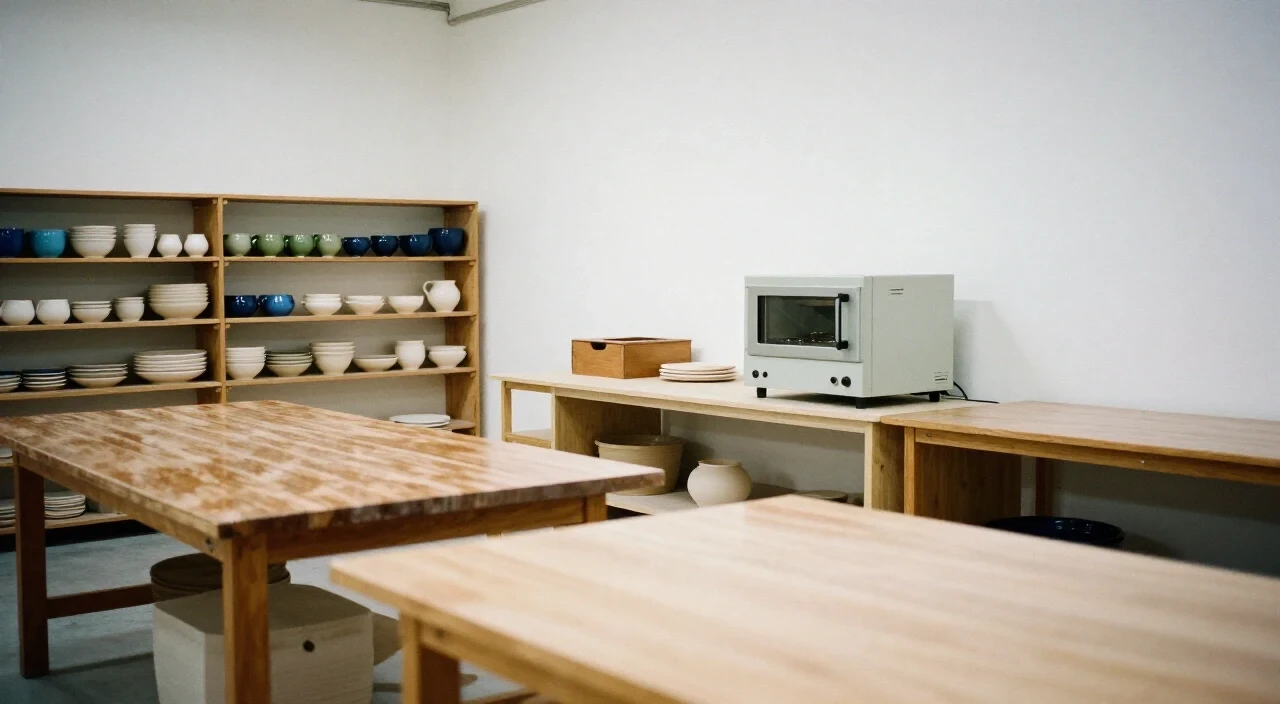
To host a pottery workshop in Porto, start by securing a suitable studio space, define the class size and skill level, source local clay and tools, set a clear schedule, and promote the event through community channels. Kaolin Ceramics Studio follows this sequence to ensure a smooth, engaging experience.
Table of Contents
Key takeaways
- Secure a venue that matches expected attendance
- Define clear learning objectives and schedule
- Prepare all equipment and test glazes beforehand
- Promote locally and use visual teasers
What are the first steps to plan a pottery workshop?
The first steps are to choose a venue, decide on the workshop format, and outline a realistic timeline. At Kaolin Ceramics Studio you confirm the studio’s capacity, set learning objectives, and create a detailed checklist that covers permits, insurance, and material orders.
Begin by visiting potential spaces in Porto and measuring the usable floor area. Verify that the studio has adequate ventilation, electricity for kilns, and accessible restrooms. If the venue is shared, coordinate with other users to avoid schedule conflicts.
Next, decide whether the workshop will focus on wheel-throwing, hand-building, or a mixed approach. Write concise objectives—e.g., “participants will create a functional mug and apply a single glaze.” Align the objectives with the skill level you intend to attract.
Create a planning checklist:
- Confirm dates and hours with the studio
- Apply for any municipal permits if required
- Arrange liability insurance coverage
- Order clay, glazes, and basic tools in advance
- Schedule a test firing for sample pieces
- Draft a participant sign-in sheet and safety brief
How long should a pottery workshop last in Porto?
A successful workshop typically runs between three and five hours, allowing time for demonstration, hands-on shaping, and a brief glazing session. For beginners, a single half-day session works best, while intermediate groups may benefit from a full-day schedule with a lunch break.
Three-hour blocks suit introductory classes: 30 minutes for welcome and safety, 90 minutes for hands-on work, 30 minutes for glazing basics, and 30 minutes for clean-up and feedback. This format respects participants’ attention spans and fits easily into weekend schedules.
Full-day workshops (four to five hours) add a short lecture on clay bodies and a longer glaze-application segment. Include a 30-minute break for coffee or a light snack; local cafés near the studio provide convenient options and foster community feel.
When choosing duration, consider:
- Travel time for attendees using public transport in Porto
- Availability of the kiln for bisque firing on the same day
- The complexity of the piece you plan to teach (simple bowls vs. multi-component sets)
- Whether you will offer a follow-up session for glazing or finishing
What equipment and materials are essential for a successful pottery workshop?
Essential items include a reliable wheel or hand-building stations, a supply of low-fire stoneware clay, basic tools such as ribs, needles, and wire cutters, and a small kiln for bisque firing. Kaolin Ceramics Studio also keeps gloves, aprons, and cleaning supplies on hand.
Start with the core workstations: each participant needs at least 1.2 m of counter space and a sturdy stool. Provide a set of hand-building tools—sponges, wooden modeling tools, and a needle tool—so everyone can follow the instructor’s techniques.
Clay should be stored in airtight containers to maintain moisture. Purchase enough for each participant to have roughly 5 kg, allowing for waste and test pieces. Keep a small batch of pre-mixed glaze in a separate container for quick application.
The kiln must be capable of reaching 1,000 °C for bisque firing. Run a test tile before the workshop to verify temperature consistency and glaze behavior. Have fire-proof mats and a fire extinguisher nearby, complying with local safety regulations.
Additional supplies that smooth the day:
- Disposable aprons and rubber gloves to protect clothing
- Wet towels and a bucket for cleaning wheels
- A roll-up sign with emergency exits and first-aid instructions
- A digital timer to keep each segment on schedule
Always fire a small test tile with every glaze you plan to use during the workshop; this prevents surprise color shifts and saves time for participants.
How can I promote a pottery workshop to attract participants in Porto?
Promote the workshop through local social media groups, community bulletin boards, and partnerships with nearby cafés or art shops. Kaolin Ceramics Studio also uses email newsletters and short video teasers that showcase the studio’s atmosphere, encouraging word-of-mouth referrals from past attendees.
Create a visual flyer that includes the date, time, skill level, and a brief description of the piece participants will make. Post it on Facebook groups dedicated to Porto arts, on Instagram using location tags, and on community boards at libraries or cultural centers.
Reach out to local cafés and boutique stores to display the flyer or host a mini-demo on their premises. A short 30-second video of a pot being thrown, set to upbeat music, works well as a teaser on Instagram Reels or TikTok, where many Porto residents discover local events.
Email marketing adds a personal touch. Compile a list of previous participants (with consent) and send a concise announcement that highlights what’s new this session—different clay body, new glaze palette, or a guest artist.
When budgeting for promotion, allocate a small amount for boosted social media posts targeting users within a 10-km radius of the studio. Track sign-ups via a simple online form; this gives you a clear picture of which channel is most effective for future events.
Frequently asked questions
What is the ideal class size for a pottery workshop?
A group of 6 to 12 participants balances personal instruction with a lively atmosphere. Smaller groups allow more one-on-one time on the wheel, while larger groups keep the energy high and make efficient use of studio space.
Do participants need prior experience?
No prior experience is required for beginner sessions. The instructor starts with basic hand-building techniques and simple wheel-throwing, ensuring that newcomers leave with a finished piece they can be proud of.
Can I rent the studio for a private event?
Yes, Kaolin Ceramics Studio offers private rentals. You can schedule the space for a dedicated workshop, a team-building day, or a birthday celebration, provided you arrange the date in advance and meet safety requirements.
What safety measures should be in place?
Ensure all participants wear aprons and closed-toe shoes, keep a fire extinguisher accessible, and brief everyone on kiln operation and proper handling of tools. A short safety talk at the start of each session reduces accidents and builds confidence.