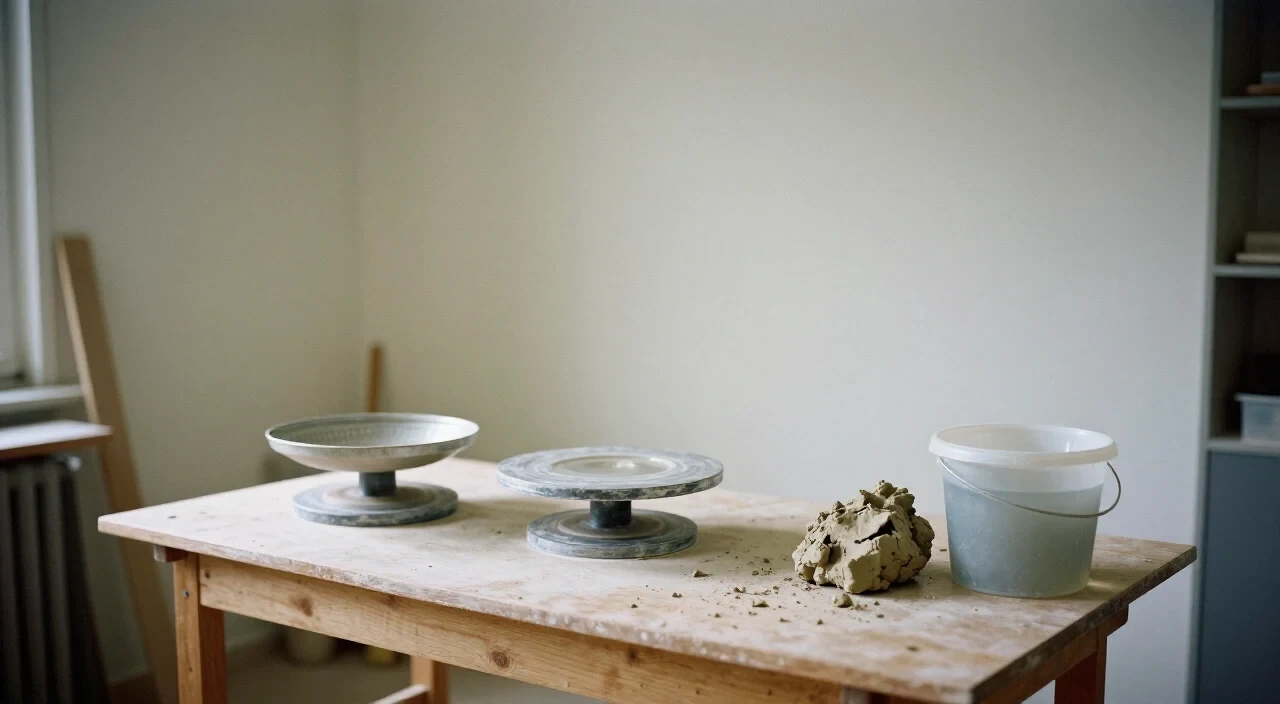
Sustainable ceramics relies on turning leftover slip and mis-fired pieces into usable material; by collecting, sieving, re-hydrating, and blending waste clay, a studio can create a fresh, workable batch that reduces landfill impact and keeps production cycles green.
Table of Contents
Key takeaways
- Collect and store waste clay promptly
- Sieve and re-hydrate before reuse
- Blend with fresh slip to restore workability
- Test firing results before full production
How can recycled clay be prepared for a studio?
Recycled clay is ready for use after it is collected, sieved, re-hydrated, and blended with fresh slip to reach workable consistency. The process removes contaminants, restores plasticity, and ensures the material behaves predictably during throwing or hand-building.
First, gather all slip, glaze runoff, and mis-fired pieces in a designated container. Keep the material covered to avoid drying out. Next, pass the bulk through a coarse mesh (about 2 mm) to eliminate large shards and foreign objects. After sieving, add water gradually while kneading; the goal is a smooth, pliable mass similar to fresh clay. If the reclaimed batch feels too stiff, introduce a small amount of fresh slip—typically 10-20 % of the total volume—to improve elasticity.
Finally, allow the mixture to rest for 15-30 minutes, letting the water distribute evenly. Conduct a simple test: roll a coil and press it into a flat sheet; if it cracks or crumbles, adjust moisture or add more slip. Once the reclaimed clay passes this hand test, it can be stored in airtight tubs for later use.
- Collect waste in a covered bucket
- Sieve through a 2 mm screen
- Add water in small increments while kneading
- Blend 10-20 % fresh slip if needed
- Rest the batch 15-30 minutes before testing
What are the benefits of using recycled clay in sustainable ceramics?
Recycled clay cuts material costs, reduces landfill contribution, and lowers the energy demand associated with producing fresh raw stock. It also encourages a mindset of resource stewardship, which can translate into more thoughtful design decisions within the studio.
Financially, the substitution of even a modest portion of fresh clay with reclaimed material can offset the price of purchased raw stock, especially for larger workshops that generate substantial slip waste. Environmentally, each kilogram of waste avoided means fewer raw deposits are mined and fewer transport emissions are incurred. From a creative standpoint, working with reclaimed clay often reveals subtle color variations and texture differences that can inspire new glaze experiments.
In practice, an eco-friendly studio like Kaolin Ceramics Studio tracks the volume of waste reclaimed each month. Over time, patterns emerge that help schedule batch production, ensuring that enough recycled material is available for upcoming projects. This data-driven approach prevents last-minute shortages and maintains a steady workflow.
- Lower raw material expenses
- Reduce landfill and mining impact
- Decrease transportation emissions
- Introduce natural color and texture variations
- Support a culture of mindful production
Which types of waste clay are suitable for recycling?
Most slip, glaze runoff, and low-temperature mis-fired pieces can be recycled, provided they are free from heavy metal contamination, organic debris, or extreme colorants that could affect glaze chemistry. Clay that has been fired above stoneware temperature generally loses plasticity and is unsuitable.
The safest candidates are:
- Fresh slip that has settled in the washout basin
- Pieces that have cracked or warped during the bisque stage (under 900 °C)
- Glaze drips that have not been mixed with strong fluxes like lead or cadmium
Materials to avoid include high-fire stoneware shards, clay contaminated with food residues, and any batch that contains metallic pigments not intended for the final glaze. Before adding any waste to the recycling stream, a quick visual inspection should be performed; any foreign matter (metal, plastic, wood) must be removed.
When in doubt, perform a small test tile. Fire it at the intended temperature and examine the surface for unexpected discoloration or glaze defects. If the test passes, the batch can be safely incorporated into larger mixes.
- Acceptable: slip, low-temp bisque waste, clean glaze drips
- Unacceptable: high-fire shards, organic contamination, toxic pigments
- Always visually inspect and test before full integration
How does an eco-friendly studio manage the recycling process?
An eco-friendly studio establishes a closed-loop workflow: collection points, sorting stations, processing area, and storage for reclaimed clay. Clear signage, routine schedules, and simple documentation keep the system efficient and prevent cross-contamination.
At Kaolin Ceramics Studio, a labeled bin sits beside each wheel station for immediate slip capture. Once a day, a studio assistant transfers the contents to a central sorting table, where large fragments are removed by hand. The remaining material moves to a dedicated processing trough equipped with a mesh screen and a water sprayer.
After processing, the reclaimed clay is portioned into airtight containers labelled with the date and batch volume. A logbook records each entry, allowing the studio to monitor how much waste is diverted from landfill each month. When the stored quantity reaches a usable threshold (often 20-30 kg), the team schedules a “recycled-clay day” to blend the material into a new batch for upcoming projects.
Key practices include:
- Assigning responsibility for daily collection
- Using mesh screens to filter out non-clay debris
- Maintaining moisture control during storage
- Logging quantities for transparency and planning
- Planning regular production runs that incorporate reclaimed material
Store reclaimed clay in airtight containers with a thin layer of water on the surface; this prevents premature drying and keeps the batch ready for immediate use.
Frequently asked questions
Is recycled clay as strong as fresh clay?
When properly re-hydrated and blended with a modest amount of fresh slip, recycled clay matches the strength of fresh material for most hand-building and wheel-throwing applications.
Can recycled clay be used for high-gloss glazes?
Yes, provided the reclaimed batch is free of contaminants that could react with glaze chemicals. A test tile fired with the intended glaze is recommended before committing to a full production run.
How often should reclaimed clay be refreshed?
If the studio recycles weekly, a fresh slip addition every two to three batches helps maintain consistent plasticity and prevents buildup of fine particles that can affect workability.