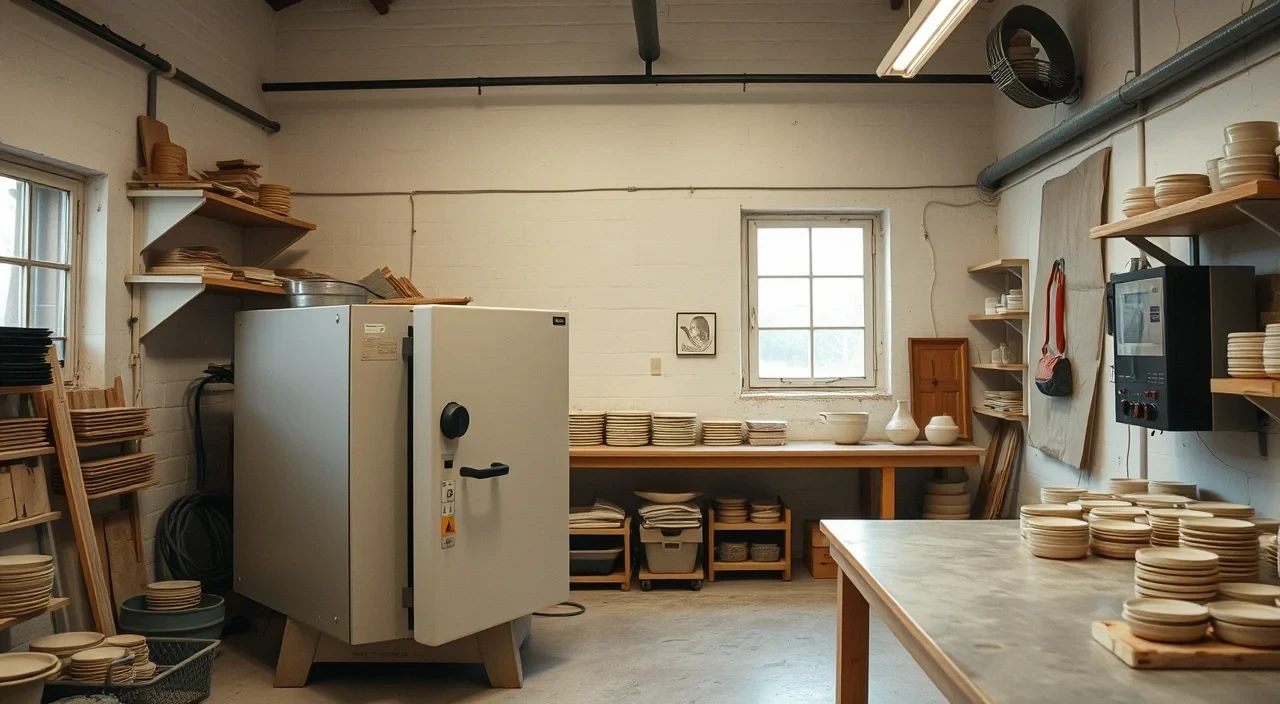
Choosing the best kiln for a small Porto studio means weighing purchase price against long-term performance; consider capacity, temperature range, power draw, installation costs and warranty to find a unit that delivers reliable firings without inflating the operating budget for your work.
What factors determine the cost vs quality of a kiln?
Cost vs quality is defined by the kiln’s build quality, temperature stability, chamber size, power efficiency and after-sales support; a higher upfront price often brings better insulation, longer lifespan and lower electricity use, which reduces total cost over years of weekly firings.
A kiln that holds its temperature within ±15 °C across the whole chamber produces consistent glaze results, which lowers the rate of failed pieces. High-grade refractory bricks and a well-sealed door improve heat retention, meaning the kiln needs less power to reach cone 10. Control panels with programmable ramps add precision and reduce trial-and-error cycles.
- Build quality – heavy gauge steel, quality refractory, reliable door seals
- Temperature uniformity – ±15 °C tolerance for even glaze development
- Power efficiency – insulation, heating element design, programmable cycles
- Warranty and service – longer warranty often signals durable components
- Brand reputation – manufacturers with local dealer networks simplify maintenance
Common mistakes include selecting a kiln solely on sticker price and ignoring these long-term attributes. For a small studio, the extra euros spent on a well-insulated unit pay off through fewer failed firings and lower electricity bills.
When in doubt, request a demonstration from a local dealer and ask about the expected lifespan under a weekly firing schedule.
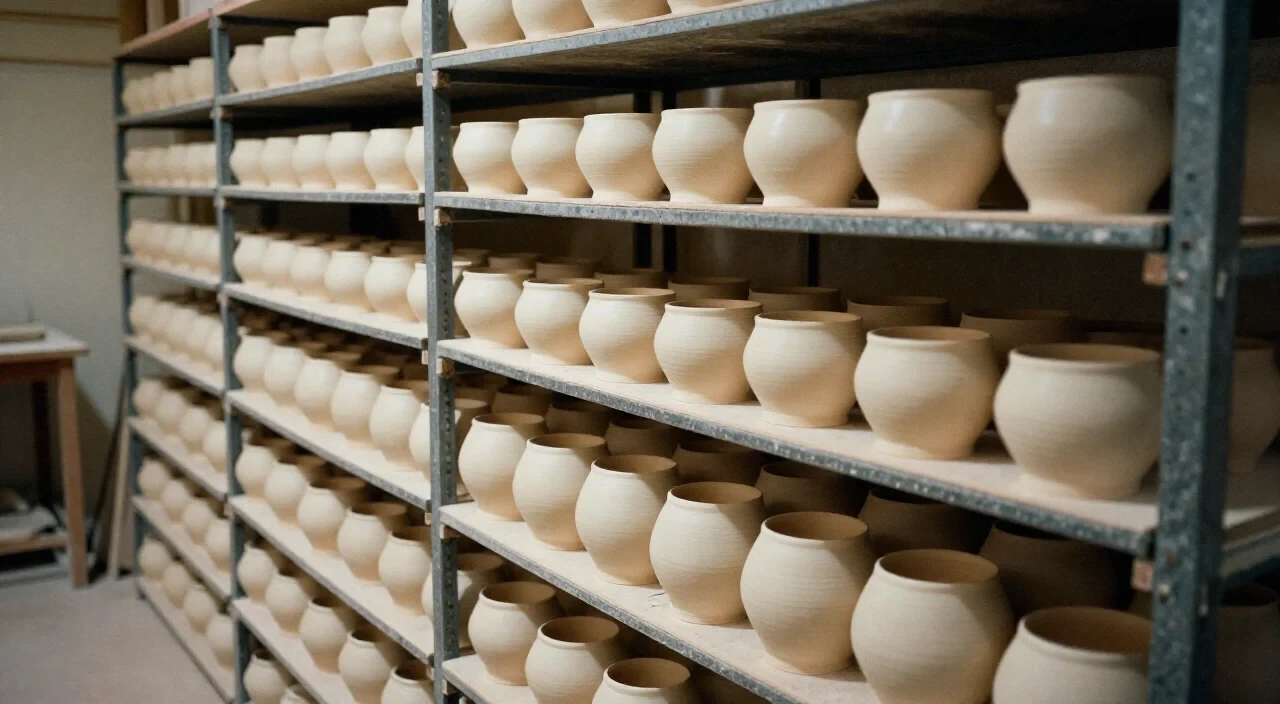
How much will electricity add to the total cost in a Porto studio?
Electricity adds a variable cost that depends on the kiln’s rated power, firing schedule and the 2026 ERSE tariff; with the regulated normal-low-voltage rate rising about 1 % and €5/MWh, a typical 9 kW kiln fired for 8 hours each week costs roughly €0.30 per firing.
Portugal’s ERSE announced a modest 1 % increase for 2026, plus a €5/MWh adjustment. To calculate the running cost, multiply the kiln’s kilowatt rating by the firing hours, then by the applicable kWh price. For example, a 9 kW kiln on for 8 hours uses 72 kWh; at €0.20/kWh (average regulated rate) the cost is €14.40 per session, but off-peak rates can be 20 % lower, dropping the expense to around €11.5.
- Verify the studio’s supply capacity with a qualified electrician.
- Schedule firings during off-peak periods when the tariff is cheaper.
- Insulate the kiln and keep the door closed to minimise heat loss.
- Use programmable ramps to avoid unnecessary high-temperature holds.
Neglecting these factors leads to surprise bills that can outweigh the savings of a cheap purchase. Kaolin checks the electrical panel before any new kiln arrives, ensuring the circuit can handle the load without tripping.
If the studio lacks three-phase power, consider a kiln designed for single-phase operation, but expect a lower maximum temperature or longer firing times.
Portugal’s ERSE announced a modest 1 % increase for 2026, plus a €5/MWh adjustment.
Which kiln size and power rating suit a small open studio like Kaolin?
For a six-wheel open studio that fires weekly, a kiln with a 120-litre chamber and a 9-12 kW rating provides enough space for batch work while fitting typical Portuguese household three-phase supply; this balances capacity and electricity use for a modest budget.
Kaolin’s workflow includes wheel taster sessions, six-week beginner courses and open-studio slots, each producing 5-10 pieces per student. A 120-litre chamber can accommodate two to three batches without over-packing, preserving airflow and temperature uniformity. Power ratings between 9 kW and 12 kW reach cone 10 in 8-10 hours, matching the studio’s Wednesday-Saturday schedule.
- Chamber volume – calculate usable space, not external dimensions; aim for 1 L per piece on average.
- Power rating – ensure the studio’s three-phase service can deliver the required amperage; a 12 kW kiln typically draws 20 A per phase.
- Ventilation – locate the kiln near a vented wall or install an exhaust hood to meet Portuguese workplace safety rules.
- Installation space – leave at least 30 cm clearance on all sides for service access.
Choosing a kiln solely for maximum temperature can waste space and energy if the studio never fires high-fire stoneware. Matching the kiln to the clay and glaze range used in Kaolin’s courses ensures each firing is productive and cost-effective.
When the studio expands, the same kiln can be supplemented with a second chamber or a larger unit, but the initial investment should reflect current demand.
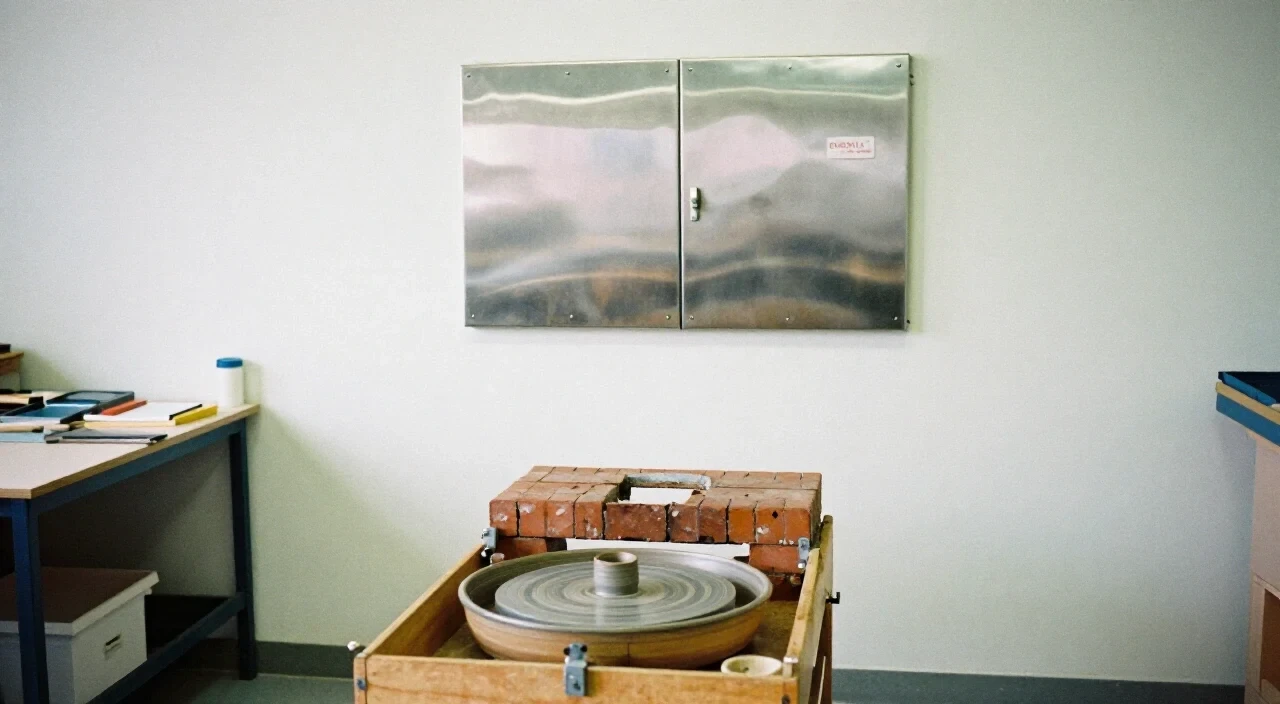
Is buying a kiln cheaper than outsourcing firing in Porto?
Buying a kiln can be cheaper over time if the studio maintains a steady flow of work; the initial purchase plus installation is offset by avoiding per-load fees, but only when the kiln’s downtime, maintenance and electricity are carefully tracked against the cost of local firing services.
A typical local firing service in Porto charges €15-€20 per load for a medium batch. If Kaolin runs three loads per week, the annual outsourcing cost ranges from €2,340 to €3,120. A new kiln costs between €4,000 and €7,000, plus installation (≈€500) and a one-year warranty. Assuming a five-year horizon, the per-year depreciation is €800-€1,400, plus electricity (€600-€800) and occasional maintenance (€200). The total yearly outlay falls between €1,600 and €2,400, clearly below outsourcing.
- Break-even analysis – compare annual outsourcing fees to depreciation + running costs.
- Hidden costs – factor in downtime for repairs, spare parts, and potential upgrades to the electrical system.
- Reliability – a well-maintained kiln reduces failed firings, protecting revenue from workshop fees.
- Flexibility – owning a kiln lets the studio schedule firings around classes, avoiding third-party lead times.
If the studio’s student numbers dip, the calculation flips and outsourcing may become sensible. Kaolin reviews its firing schedule each semester to ensure the kiln remains a cost-effective asset.
Before ordering, verify that the studio’s electrical panel can handle the kiln’s amperage; an undersized circuit leads to frequent tripping and costly upgrades.
Key takeaways
- Assess build quality and temperature uniformity for long-term reliability
- Calculate electricity use with the 2026 ERSE tariff and off-peak options
- Match chamber volume and power rating to the studio’s weekly batch size
- Include installation, maintenance and possible electrical upgrades in the total cost
Frequently asked questions
Is a cheap kiln reliable for beginners?
A low-cost kiln often lacks proper insulation and temperature control, which can cause uneven firings and higher electricity use. For beginners, consistency matters more than the purchase price.
Can a kiln run on a normal household supply in Porto?
Small single-phase kilns (up to 6 kW) may operate on a standard household circuit, but most studio kilns require three-phase power to reach higher temperatures efficiently. An electrician should confirm the load capacity.
How does ventilation affect kiln operation?
Adequate exhaust removes hazardous gases and stabilises temperature. Portuguese workplace safety rules require a vented wall or dedicated hood; insufficient ventilation can lead to overheating, fouled filters and non-compliant conditions.