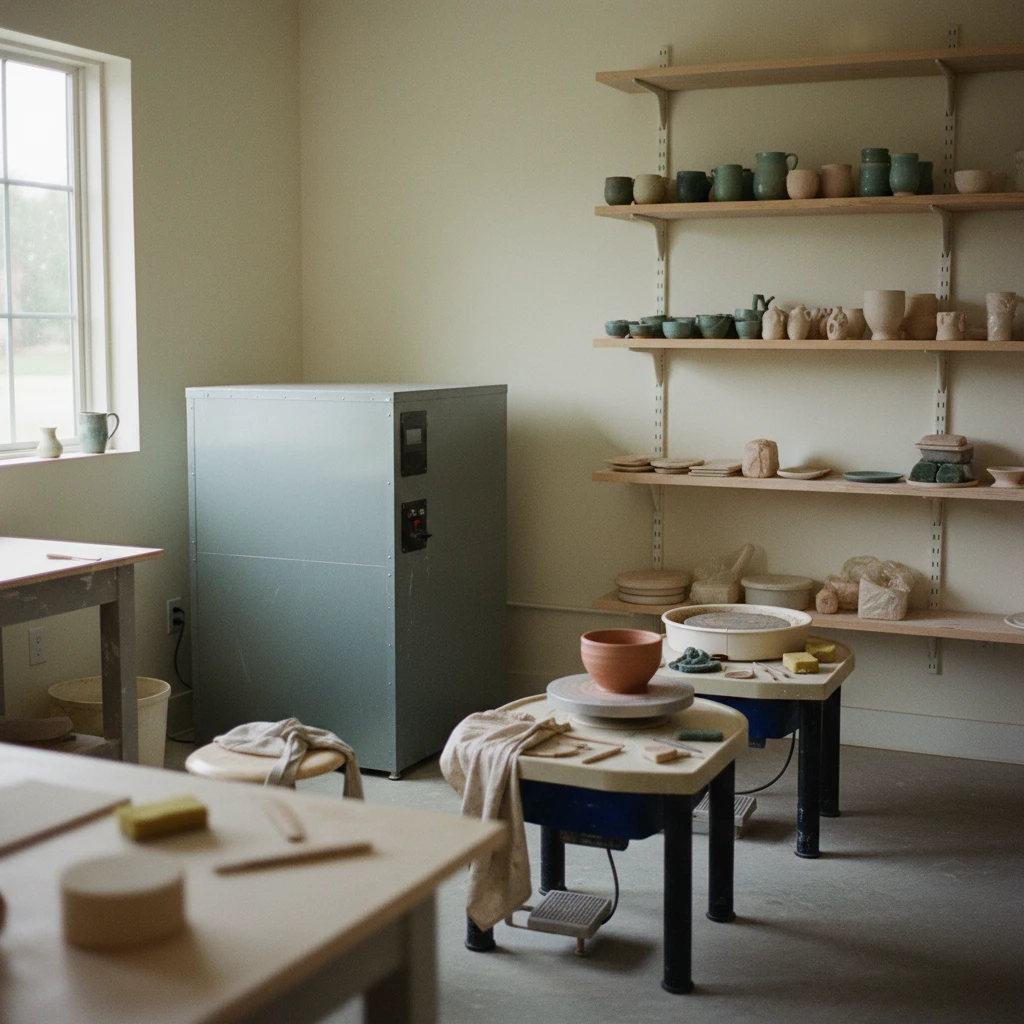
A **studio cost breakdown** for a small-scale pottery studio in Lisbon, like Kaolin Ceramics Studio, includes equipment, space, and materials costs, varying widely based on size and type of studio. For instance, the cost of equipment can range from a few hundred to several thousand euros, depending on the quality and brand of the pottery wheels and kilns. Space costs, including rent and utilities, can also vary significantly depending on the location and size of the studio.
Table of Contents
Key Takeaways
- Initial investment for equipment and space
- Ongoing costs for materials and utilities
- Marketing and advertising expenses
- Insurance and licensing fees
What Does a Studio Cost Breakdown Typically Include?
A typical studio cost breakdown includes equipment, space, and materials costs.
The cost of equipment, such as pottery wheels and kilns, can vary widely based on the type and quality of the equipment. For example, a manual pottery wheel can cost around €200, while an electric wheel can cost upwards of €1,000. Space costs, including rent and utilities, also vary depending on the location and size of the studio. Materials costs, including clay and glazes, can fluctuate based on the type and quantity of materials used. At Kaolin Ceramics Studio in Lisbon, we have found that sourcing materials from local suppliers can help reduce costs.
How Long Does it Take to Set Up a Small Pottery Studio?
Setting up a small pottery studio can take several weeks to several months, depending on the size and complexity of the studio.
- Securing a location and obtaining necessary licenses and permits, which can take around 2-3 weeks
- Purchasing and installing equipment, which can take around 1-2 weeks
- Hiring staff and developing a business plan, which can take around 2-3 months
- Marketing and promoting the studio, which can be an ongoing process. A common mistake to avoid is underestimating the time and resources required for each step.
What Are the Ongoing Costs of Running a Pottery Studio?
Ongoing costs for a pottery studio include materials, utilities, and marketing expenses.
The cost of materials, such as clay and glazes, can fluctuate based on the type and quantity of materials used. For example, a 25kg bag of clay can cost around €50, while a kilogram of glaze can cost around €10. Utilities, including electricity and water, can vary depending on the size and usage of the studio. Marketing and advertising expenses can also vary widely based on the type and frequency of promotions. To minimize costs, consider sharing resources with other artists or studios, like Kaolin Ceramics Studio in Lisbon.
It's essential to research and compare prices for equipment and materials to ensure the best value for your studio. Additionally, consider the cost of maintenance and repair for equipment, as well as the cost of disposing of hazardous materials.
How Can I Minimize Costs When Starting a Pottery Studio?
To minimize costs when starting a pottery studio, consider the following:
- Starting small and scaling up as the business grows, which can help reduce initial investment costs
- Purchasing used or refurbished equipment, which can be up to 50% cheaper than new equipment
- Sharing space or resources with other artists or studios, like Kaolin Ceramics Studio in Lisbon, which can help reduce overhead costs
- Developing a comprehensive business plan to ensure efficient use of resources and minimize waste. A common mistake to avoid is not having a clear plan for cost management.
Frequently Asked Questions
What is the initial investment for a small pottery studio?
The initial investment can vary widely, but typically includes equipment, space, and materials costs.
How do I determine the costs of materials and utilities?
Research and compare prices for materials and utilities to ensure the best value for your studio. Consider factors such as the type and quantity of materials, as well as the size and usage of the studio.
What are the ongoing costs of running a pottery studio?
Ongoing costs include materials, utilities, and marketing expenses. To minimize costs, consider strategies such as sharing resources with other artists or studios, like Kaolin Ceramics Studio in Lisbon.